
Embracing AI Social Agents: Transforming Business Interactions
Businesses are increasingly turning to AI social agents to revolutionize customer interactions and streamline operations. These virtual assistants mimic human interaction and are pivotal in enhancing customer experiences and efficiency.
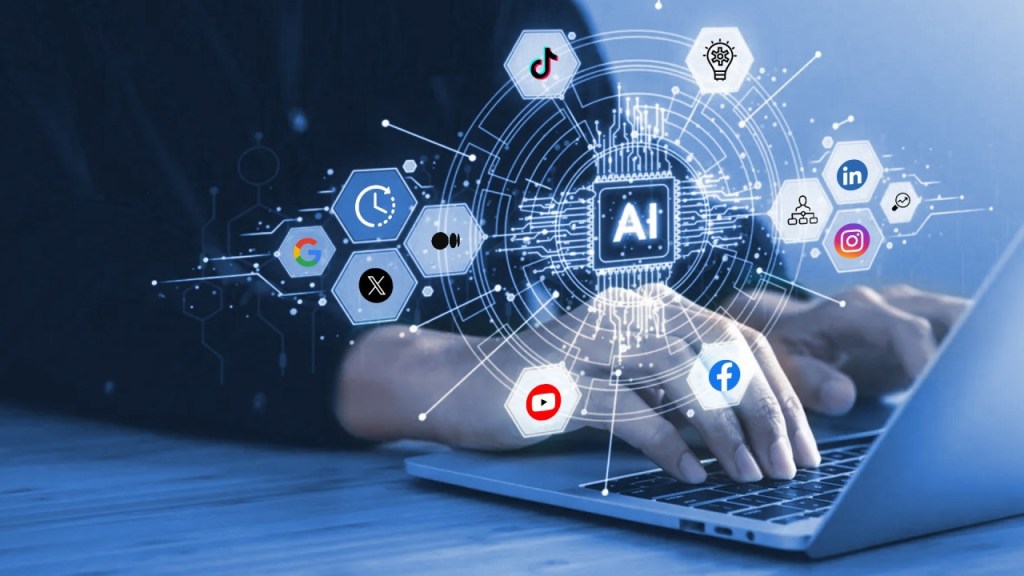
This blog post explores how businesses can effectively integrate AI social agents into their operations, shedding light on the benefits and considerations.
Understanding AI Social Agents
AI social agents are sophisticated computer programs designed to simulate human-like conversation and interaction. These agents are powered by advanced technologies such as natural language processing (NLP) and machine learning, allowing them to understand, respond to, and learn from user interactions.
Key Features of AI Social Agents:
- Natural Language Processing (NLP): Enables understanding and processing of human language.
- Machine Learning: Facilitates continuous improvement through data analysis.
- Omnichannel Support: Provides seamless integration across various communication platforms.
- 24/7 Availability: Ensures round-the-clock accessibility for customer inquiries.
Benefits of AI Social Agents for Businesses
Implementing AI social agents offers numerous advantages that can significantly enhance business operations and customer satisfaction.

1. Enhanced Customer Service
- Instant Response: AI social agents provide immediate responses to customer inquiries, reducing wait times and improving satisfaction.
- Consistency: Ensures uniformity in responses, minimizing errors and discrepancies in information provided to customers.
2. Cost Efficiency
- Resource Optimization: Reduces the need for large customer service teams, thereby lowering operational costs.
- Scalability: Easily scales up to handle increased volumes of customer interactions without a corresponding increase in personnel costs.
3. Data-Driven Insights
- Analytics and Feedback: Provides valuable insights into customer preferences and behaviors, aiding in strategic decision-making.
- Personalization: Uses data to tailor responses and offers, enhancing the customer experience.
Implementing AI Social Agents in Business
The successful integration of AI social agents involves careful planning and consideration of several factors to maximize their benefits.
Steps to Implementation:
- Define Objectives: Clearly outline the goals and roles of AI agents within the business model.
- Choose the Right Platform: Select a platform that aligns with business needs and customer expectations.
- Train the AI: Ensure the agents are trained with relevant data to improve accuracy and efficiency.
- Monitor Performance: Regularly assess the performance of AI agents and make necessary adjustments for continuous improvement.
- Seek Feedback: Encourage customer feedback to enhance service quality and adaptability.
Overcoming Challenges
Despite their numerous advantages, AI social agents come with challenges that need addressing for optimal functionality.
- Data Privacy: Ensure that AI systems comply with data protection regulations to build trust and maintain customer confidentiality.
- Complex Queries: Develop mechanisms for handling complex queries that require human intervention to avoid customer frustration.
Conclusion
AI social agents represent a significant leap forward in enhancing business interactions and customer service. By integrating these technologies, businesses can achieve improved efficiency, customer satisfaction, and data-driven decision-making.
The future of business interactions is undeniably intertwined with the continued evolution and adoption of AI social agents.
“Have you ever wondered what it would be like if your team had a super-smart assistant that could boost productivity overnight? Subscribe to
the world of Workforce AI!”
Best regards,
Gadgets & Gizzmo’s Team

 gadget and gizzmo"s