
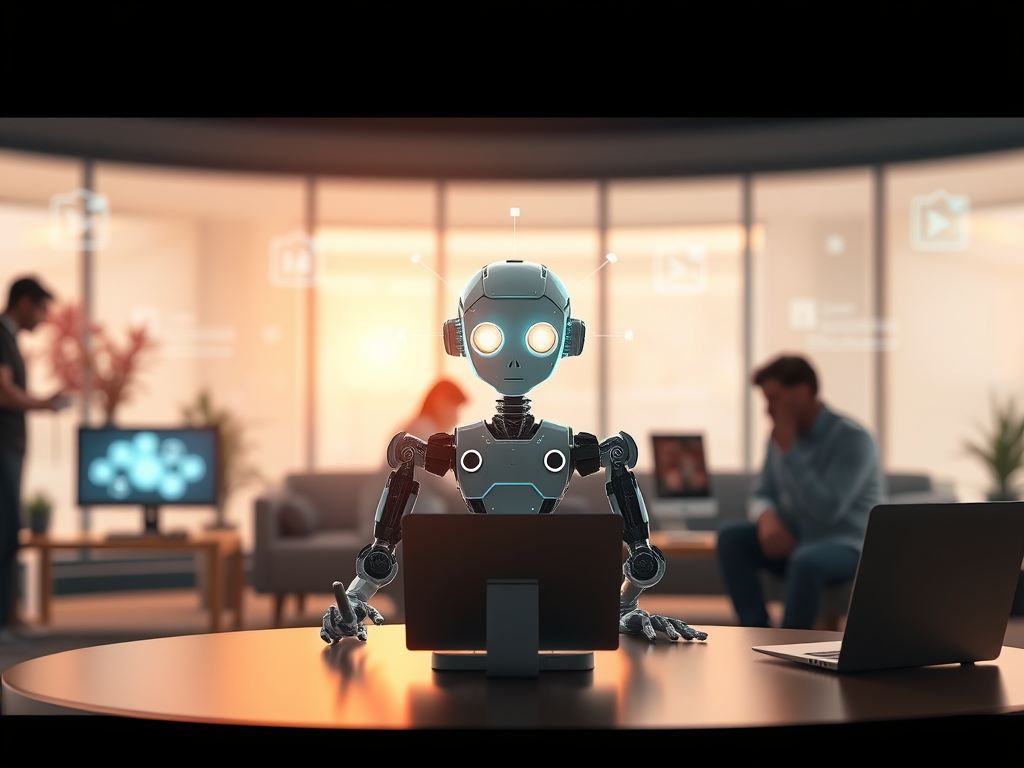
Transforming Daily Life: The Impact of Artificial Intelligence
In recent years, artificial intelligence (AI) has transcended its initial confines of science fiction and complex research labs to become an integral part of our daily existence.
From simplifying mundane tasks to enhancing personal and professional experiences, AI has woven itself into the fabric of everyday life.
This blog post explores how AI applications are reshaping various aspects of our daily routines.
Understanding AI: A Quick Overview
To grasp the full scope of AI’s impact, it’s essential first to understand what it entails. At its core, AI refers to systems or algorithms that mimic human intelligence processes through complex data analysis, pattern recognition, and decision-making capabilities.
The technologies driving AI include machine learning, neural networks, natural language processing, and computer vision.
AI Applications in Everyday Life
AI’s presence is perhaps most palpable in everyday life applications. Here’s how this groundbreaking technology is influencing several domains:
1. Smart Assistants and Home Automation
- Smart Assistants: Devices like Amazon Alexa, Google Assistant, and Apple’s Siri have become household staples. They facilitate hands-free tasks, control smart home devices, answer questions, and even entertain.
- Home Automation: AI-enabled devices such as smart thermostats, security systems, and lighting control enhance convenience and efficiency. These systems learn user preferences over time, optimizing energy use and enhancing security features.
2. Personalized User Experiences
- Content Recommendations: AI algorithms are behind the recommendation engines of platforms like Netflix, YouTube, and Spotify, tailoring content to user preferences.
- Shopping and Advertising: E-commerce platforms utilize AI for personalized shopping experiences, offering product recommendations and discounts based on browsing history and purchase patterns.
3. Healthcare Innovations
- Disease Diagnosis: AI tools are being deployed in medical imaging and diagnostics, where they assist doctors in accurately diagnosing diseases by analyzing imaging data faster and more precisely than traditional methods.
- Healthcare Administration: AI streamlines administrative tasks such as patient scheduling, medical record management, and billing, allowing healthcare professionals to focus more on patient care.
4. Transportation and Navigation
- Autonomous Vehicles: Self-driving cars, powered by AI, are poised to revolutionize the transportation industry by enhancing road safety and reducing traffic congestion.
- Navigation and Traffic Management: GPS navigation systems use real-time AI to suggest less congested routes and estimate accurate arrival times based on data analysis of current traffic conditions.
The Future: AI and Beyond
The potential for artificial intelligence applications seems boundless as ongoing research and innovation continue to push the boundaries.
Future developments promise further integration of AI into areas such as education, finance, and environmental sustainability.
Explore the transformative role of artificial intelligence in everyday life, from smart home devices to personalized experiences, healthcare advances, and transportation solutions.
Sincerely, G & G”s

 gadget and gizzmo"s